For stores you shop at regularly, grocery loyalty programs are usually worth it. They're typically free, and they unlock member prices, digital coupons and rewards. In exchange, the store collects data about what you buy. Use them for the savings, but keep comparing prices. A member price isn't always the lowest price nearby.
How grocery loyalty programs work
| Benefit | How it works |
|---|---|
| Member prices | Lower shelf prices that apply only when your account is scanned |
| Digital coupons | Clip in the app. They apply automatically at checkout |
| Personalized offers | Deals based on what you usually buy |
| Points or rewards | Money off future trips, fuel discounts or partner perks |
What you give in return
The discounts aren't free. Loyalty programs let stores see what you buy, when and how often. They use that to personalize offers, plan inventory and pricing, and in some cases share or sell insights to brands and advertisers, depending on the program's privacy policy.
- Read the privacy settings in the app and opt out of what you can.
- Limit app permissions, such as location, to what you're comfortable with.
- Unsubscribe from marketing emails if they tempt you to buy more.
Pros and cons
| Pros | Cons |
|---|---|
| Free to join | Your purchase data is collected |
| Member prices and digital coupons | Non-members may pay more |
| Personalized offers on things you buy | Offers can nudge extra spending |
| Rewards and fuel discounts | Can keep you loyal to a store that isn't cheapest |
The loyalty trap
The biggest risk isn't privacy, it's habit. Rewards make it feel like one store is always your best option, even when another store nearby is cheaper for many items. Prices vary a lot between stores (here's why), so keep checking:
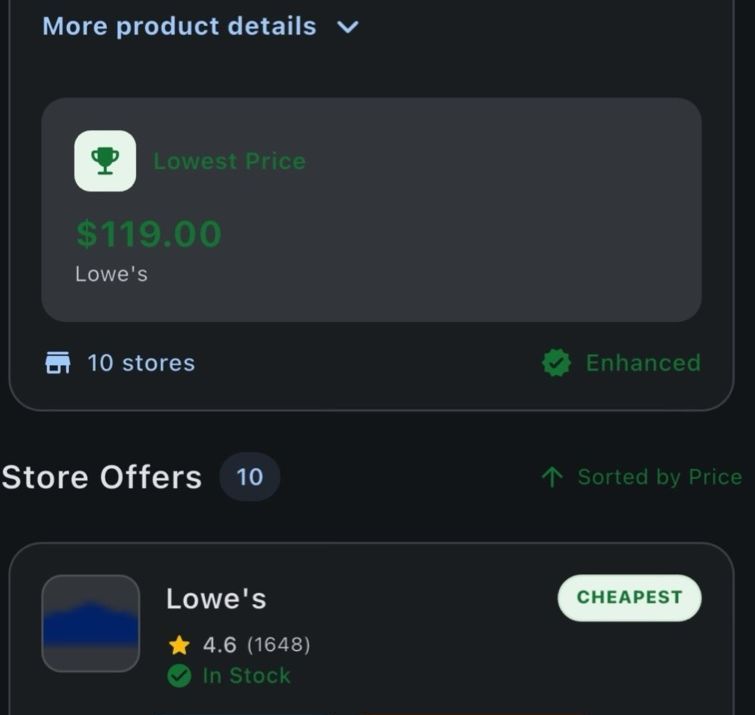
- Scan the barcode of the item on the shelf with Price Match Paradise. No account needed to start.
- Review matching offers across supported retailer sources, with stock status and price-match guidance when the retailer data is available.
- Decide in the aisle: ask for a match, buy it here because it's already the best price, or pick it up where it's cheaper.
How to use loyalty programs well
- Join the programs of the 2–3 stores you actually use.
- Clip digital coupons for items already on your list, before you shop.
- Scan your account at the start of checkout.
- Ignore offers for things you don't need.
- Compare member prices with other stores for your top items.
See also coupon stacking explained.
FAQ
Are grocery loyalty programs worth it?
For stores you shop at regularly, usually yes. They're typically free and unlock member prices, digital coupons and rewards. Keep comparing prices with other stores.
What do grocery stores do with loyalty data?
They use it to personalize offers and plan pricing and inventory, and depending on the program's privacy policy, may share insights with brands and advertisers.
Can I get member prices without an account?
Usually not. Member prices generally require a loyalty account, though it's typically free.
Do loyalty programs make you spend more?
They can, through personalized offers and rewards that encourage loyalty. Stick to your list and compare prices.
Know if the member price is really the best.
Scan any item and see the same product at 50+ supported retailer sources in one search. Free to start.
Keep reading
Price Match Paradise Team
We build the barcode price comparison app that helps shoppers find the lowest price on the item in their hand. Spotted a policy change? Let us know.