PLU (price look-up) codes are the 4- or 5-digit numbers on produce stickers. A 4-digit code in the 3000s or 4000s is conventionally grown produce. A 5-digit code starting with 9 is organic (organic bananas are 94011, regular bananas 4011). A code starting with 8 does not mean GMO. That prefix is being used to add new codes.
How to read a PLU code
| Code | What it means |
|---|---|
| 4 digits, 3000–4999 e.g. 4011 | Conventionally grown produce |
| 5 digits starting with 9 e.g. 94011 | Organic version of the same item |
| 5 digits starting with 8 83000–84999 | New item codes. Not an indicator of GMO produce |
PLU codes are assigned by the International Federation for Produce Standards (IFPS) and identify the commodity, variety and often the size. The same code is used by stores around the world, which is why cashiers can key them in quickly.
The "8 means GMO" myth
You may have read that a code starting with 8 means genetically modified. According to IFPS, the 8 prefix was once reserved for that purpose but was never used at retail. It's now being used to create more codes as the 3000 and 4000 series fill up. PLU codes don't tell you whether produce is genetically modified.
How PLU codes lead to overcharges
- Organic rung up for conventional. Keying 94011 instead of 4011 charges the organic price. Check produce lines on your receipt.
- Wrong variety. Different apple or pepper varieties can have very different prices per pound.
- Per-each vs. per-pound. Some items are priced each, others by weight. Check the shelf sign.
- Self-checkout mistakes. Choosing the wrong item from the picture menu is easy. Type the PLU from the sticker instead.
More in how to check your grocery receipt.
PLU codes vs. barcodes
Loose produce uses PLU codes. Packaged produce (bagged salad, a 3 lb bag of apples, berries in clamshells) usually has a regular UPC barcode, just like other groceries. Items weighed in the store, like deli meat, get a store-printed barcode with the price built in.
That matters for comparing prices: barcoded packaged items can be compared across stores, while loose produce and store-weighed items can't be scanned for a comparison because their codes aren't product-specific. For those, compare the price per pound on the shelf sign.
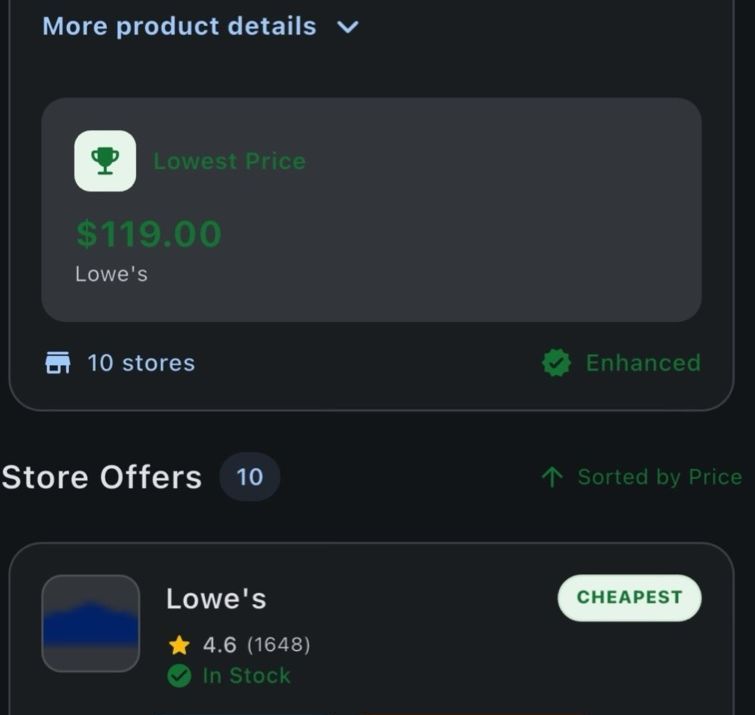
- Scan the barcode of the item on the shelf with Price Match Paradise. No account needed to start.
- Review matching offers across supported retailer sources, with stock status and price-match guidance when the retailer data is available.
- Decide in the aisle: ask for a match, buy it here because it's already the best price, or pick it up where it's cheaper.
Quick ways to save on produce
- Buy in season, and frozen out of season.
- Compare loose vs. bagged per pound. The bag is often cheaper, but not always.
- Skip pre-cut unless the time savings are worth it to you.
- More in 25 grocery saving tips.
FAQ
What does a PLU code starting with 9 mean?
It's the organic version of the item. The 9 is added in front of the 4-digit conventional code, so regular bananas are 4011 and organic bananas are 94011.
Does a PLU code starting with 8 mean GMO?
No. According to IFPS, the 8 prefix was reserved for that purpose but never used at retail. It's now used to create new codes.
Who assigns PLU codes?
The International Federation for Produce Standards (IFPS).
Can I compare produce prices with a barcode scanner?
Packaged produce with a UPC barcode, yes. Loose produce with a PLU sticker and store-weighed items can't be compared by scanning. Compare the price per pound instead.
Compare everything with a barcode.
Scan packaged groceries and see the same item at 50+ supported retailer sources in one search. Free to start.
Keep reading
Sources: IFPS: PLU codes. Summary as of September 22, 2026. Policies change and individual stores have discretion, so confirm with the store. Price Match Paradise isn't affiliated with or endorsed by any retailer mentioned.
Price Match Paradise Team
We build the barcode price comparison app that helps shoppers find the lowest price on the item in their hand. Spotted a policy change? Let us know.