Common store layout tactics include putting everyday essentials like milk and eggs toward the back, placing higher-priced items at eye level, using endcaps and displays that look like deals, stocking impulse buys at checkout, and offering bigger carts. The best defenses are a list, a budget, checking unit prices and comparing prices before you buy.
Common layout tactics
1. Essentials at the back
Dairy and eggs are often at the back of the store. Refrigeration and delivery logistics play a part, but it also means walking past many other products on the way.
2. Eye-level placement
Products at eye level tend to sell best, and it's often where higher-priced brands sit. Cheaper and store-brand options are frequently on the top or bottom shelves.
3. Endcaps and displays
End-of-aisle displays and stacked promotions feel like deals, but they're often just promotional placements. Compare the unit price with the regular aisle.
4. Produce and bakery up front
Fresh, colorful sections near the entrance set a good mood and can make you less price-conscious for the rest of the trip.
5. Impulse buys at checkout
Candy, drinks, magazines and small items sit where you wait in line.
6. Bigger carts
A large, half-empty cart can make you feel you haven't bought much.
7. Multi-buy signs
"3 for $5" encourages buying more than you need. Often the single-item price is the same. See 9 signs of a fake sale.
How to beat them
- Shop from a list organized by section. See the 20-minute meal planning system.
- Look high and low on the shelves.
- Check unit prices, especially on displays and endcaps.
- Use a basket for small trips.
- Eat before you shop.
- Compare prices across stores for the items you buy most:
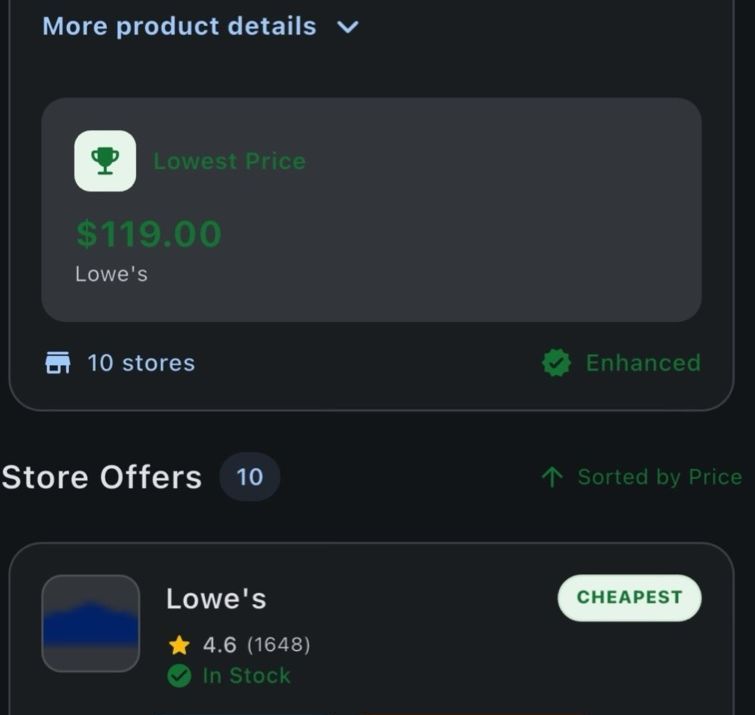
- Scan the barcode of the item on the shelf with Price Match Paradise. No account needed to start.
- Review matching offers across supported retailer sources, with stock status and price-match guidance when the retailer data is available.
- Decide in the aisle: ask for a match, buy it here because it's already the best price, or pick it up where it's cheaper.
More on how stores set prices in How Grocery Store Pricing Really Works.
FAQ
Why is milk at the back of the grocery store?
Refrigeration and delivery logistics play a part, and it also means shoppers walk past other products on the way, which can lead to extra purchases.
Are the cheapest products on the bottom shelf?
Often. Higher-priced brands tend to sit at eye level, and cheaper and store-brand options are frequently on the top or bottom shelves.
Are endcap displays good deals?
Not necessarily. They're often promotional placements. Compare the unit price with the same item in the aisle.
How can I avoid impulse buys at the grocery store?
Shop from a list, set a budget, eat before you go, use a basket for small trips, and compare prices before you buy.
Shop with facts, not impulses.
Scan any item and compare the same product at 50+ supported retailer sources in one search. Free to start.
Keep reading
Price Match Paradise Team
We build the barcode price comparison app that helps shoppers find the lowest price on the item in their hand. Spotted a policy change? Let us know.