A sale is fake when the discount is measured against a price the item was never really sold at, or when the "sale" price is no better than the regular price here or at other stores. The quickest test: compare the sale price with what the same item costs at other stores right now, and check the unit price.
9 signs a deal isn't what it looks like
1. The "was" price was never real
A big crossed-out price is only meaningful if the item actually sold at that price. The FTC's pricing guides say a former price should be the actual price at which the item was offered to the public on a regular basis for a reasonably substantial period of time. A price set briefly just to create a bigger "discount" doesn't count, but it still happens.
2. "Compare at" or "value" prices
"Compare at $89" or "a $120 value" doesn't mean anyone sells it for that. It's a reference price chosen by the seller. Ignore it and compare actual prices at other stores.
3. The sale never ends
If an item has been "on sale" every time you've seen it, the sale price is the regular price.
4. Countdown pressure
"Ends tonight!" and ticking timers are designed to stop you from comparing. A real deal will survive a 2-second price check.
5. Shrinkflation
The price is the same, or even "reduced," but the package is smaller. Always check the unit price (per ounce, count or sheet) on the shelf tag. More in Shrinkflation: How to Spot It.
6. Multi-buy offers that aren't cheaper
"10 for $10" or "3 for $5" sounds like a deal, but check the single-item price. It's often the same per item, and at many stores you don't need to buy the full quantity to get the price. Read the tag.
7. Bundles you didn't want
Bundles hide the price of each piece. If you only need one item, a bundle can cost more than buying it alone.
8. Special "sale" versions
Some electronics and appliances are made in special versions for big sales, with different model numbers and sometimes lower specs. A familiar brand at a surprising price might not be the model you think. Compare by barcode.
9. Another store is simply cheaper
A deal can be a real discount at this store and still be more expensive than a regular price elsewhere. That's the most common "fake sale" of all, and the easiest to catch.
How to check any deal in seconds
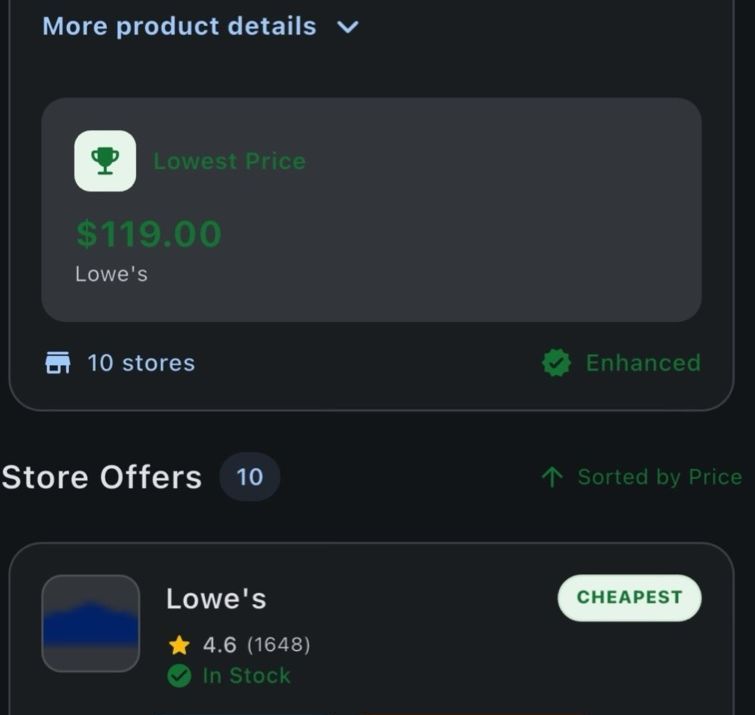
- Scan the barcode of the item on the shelf with Price Match Paradise. No account needed to start.
- Review matching offers across supported retailer sources, with stock status and price-match guidance when the retailer data is available.
- Decide in the aisle: ask for a match, buy it here because it's already the best price, or pick it up where it's cheaper.
Then do two quick checks on the shelf tag:
- Unit price: is it really cheaper per ounce or per count than other sizes?
- Exact item: same size, variant and model as the one you meant to buy?
If you think a price is misleading
- At the register: if the shelf price and the scanned price don't match, point it out. Many stores fix it on the spot.
- After you buy: some stores refund price drops within a set window. See Target, Costco and Best Buy.
- Report it: deceptive pricing can be reported to the FTC at ReportFraud.ftc.gov or to your state attorney general.
More ways to save in How to Find the Best Deals Every Week.
FAQ
Is it legal to show a fake "original" price?
In the US, the FTC's Guides Against Deceptive Pricing say a former price should be the actual price at which the item was openly offered on a regular basis for a reasonably substantial period. Fictitious former prices can be deceptive. State laws may add further rules.
How can I tell if a sale price is really a good deal?
Compare it with the current price of the same item at other stores, and check the unit price. If another store is cheaper at its regular price, the sale isn't the best deal.
Do I have to buy 10 items to get a "10 for $10" price?
Often not. Many stores apply the per-item price to any quantity, but some require the full amount. The shelf tag or the store's policy will say.
What is shrinkflation?
Shrinkflation is when a product gets smaller while the price stays the same or rises. Comparing unit prices is the easiest way to spot it.
Where can I report deceptive pricing?
In the US, at ReportFraud.ftc.gov or with your state attorney general's consumer protection office.
Don't trust the red tag. Scan it.
See the same item at 50+ supported retailer sources in one search and know whether the deal is real. Free to start, no account needed.
Keep reading
Sources: 16 CFR 233.1: Former price comparisons · FTC: ReportFraud. Summary as of September 22, 2026. Policies change and individual stores have discretion, so confirm with the store. Price Match Paradise isn't affiliated with or endorsed by any retailer mentioned.
Price Match Paradise Team
We build the barcode price comparison app that helps shoppers find the lowest price on the item in their hand. Spotted a policy change? Let us know.